
A mission from the German Government (BMUKN) and IKI to learn how regeneration is lived, taught, and scaled in Colombia.
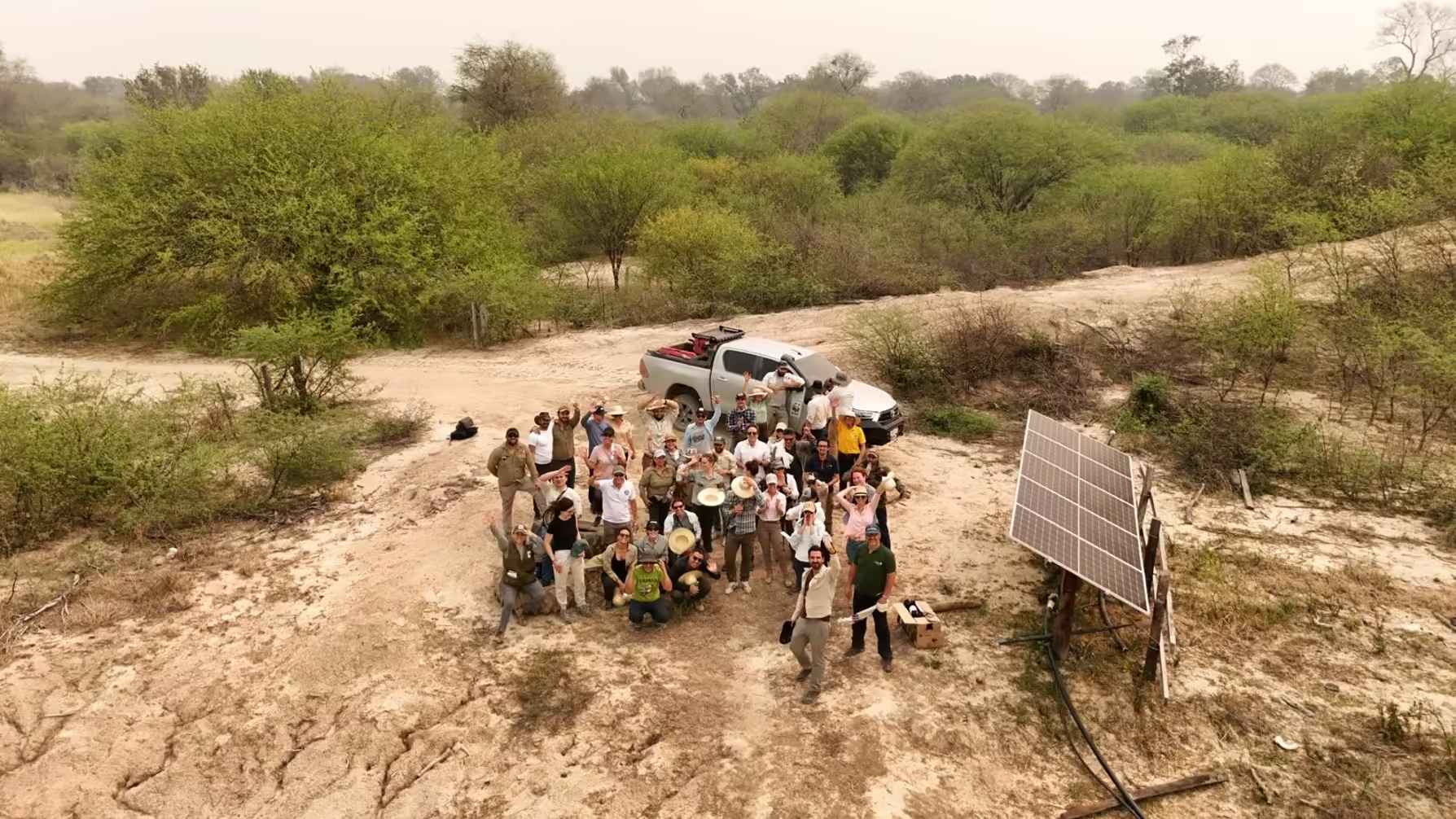
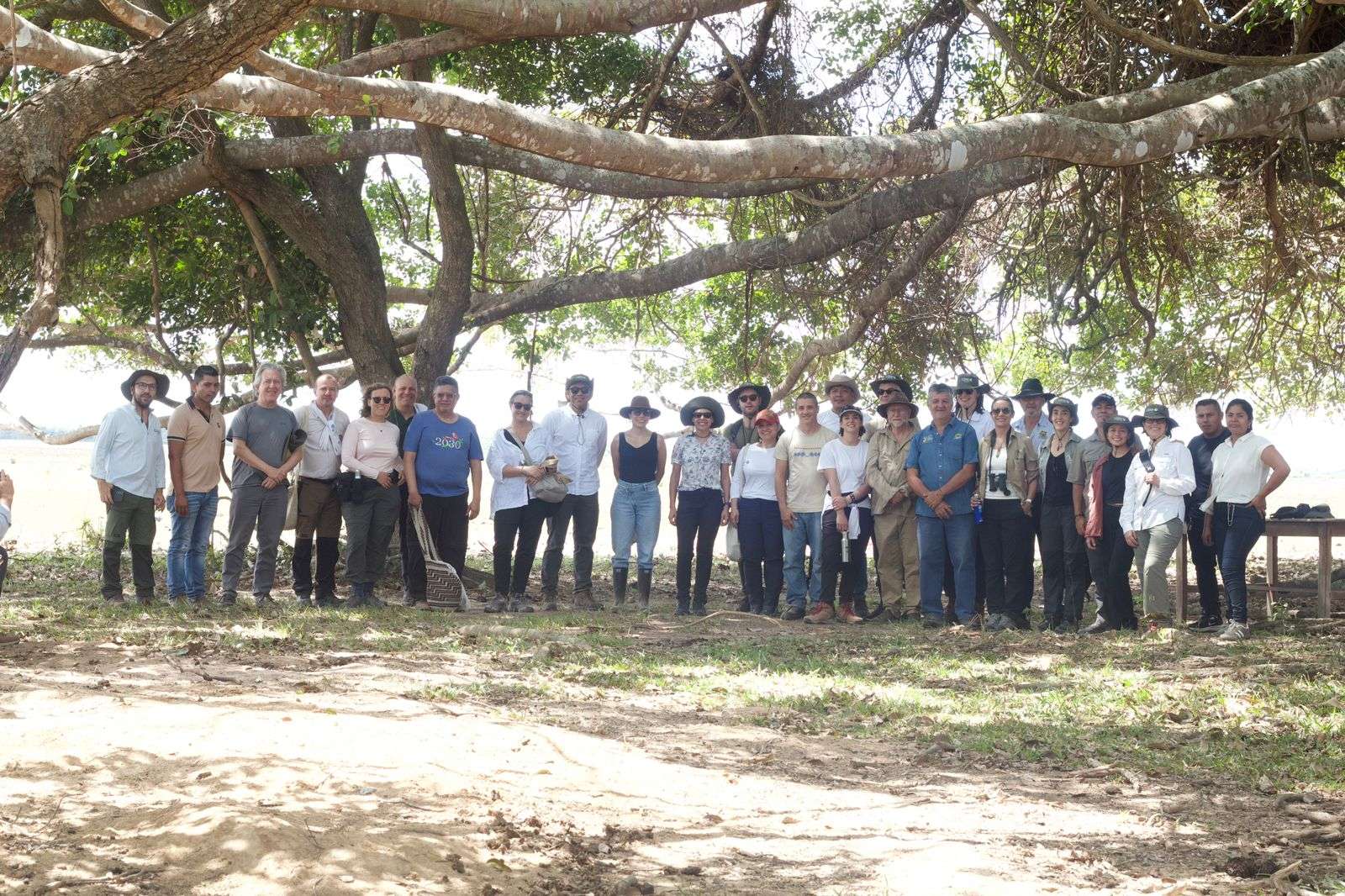
Between January 13 and 19, 2026, representatives from the Federal Ministry for the Environment, Climate Action, Nature Conservation and Nuclear Safety (BMUKN) and the International Climate Initiative (IKI) visited Colombia to learn firsthand how regenerative agriculture and ranching, together with ecosystem-based adaptation, actively contribute to national climate priorities and to the implementation of Nationally Determined Contributions (NDCs) and National Adaptation Plans (NAPs).
This visit was organized in collaboration between The Nature Conservancy (TNC), the Paisajes Futuros project, and the Food and Agriculture Organization of the United Nations (FAO) through its SCALA program. The shared goal: to observe on the ground how regenerative agriculture and ranching, along with ecosystem-based adaptation, translate into concrete solutions for Colombia’s climate goals.
The Orinoquía: a living savanna, a territory that teaches
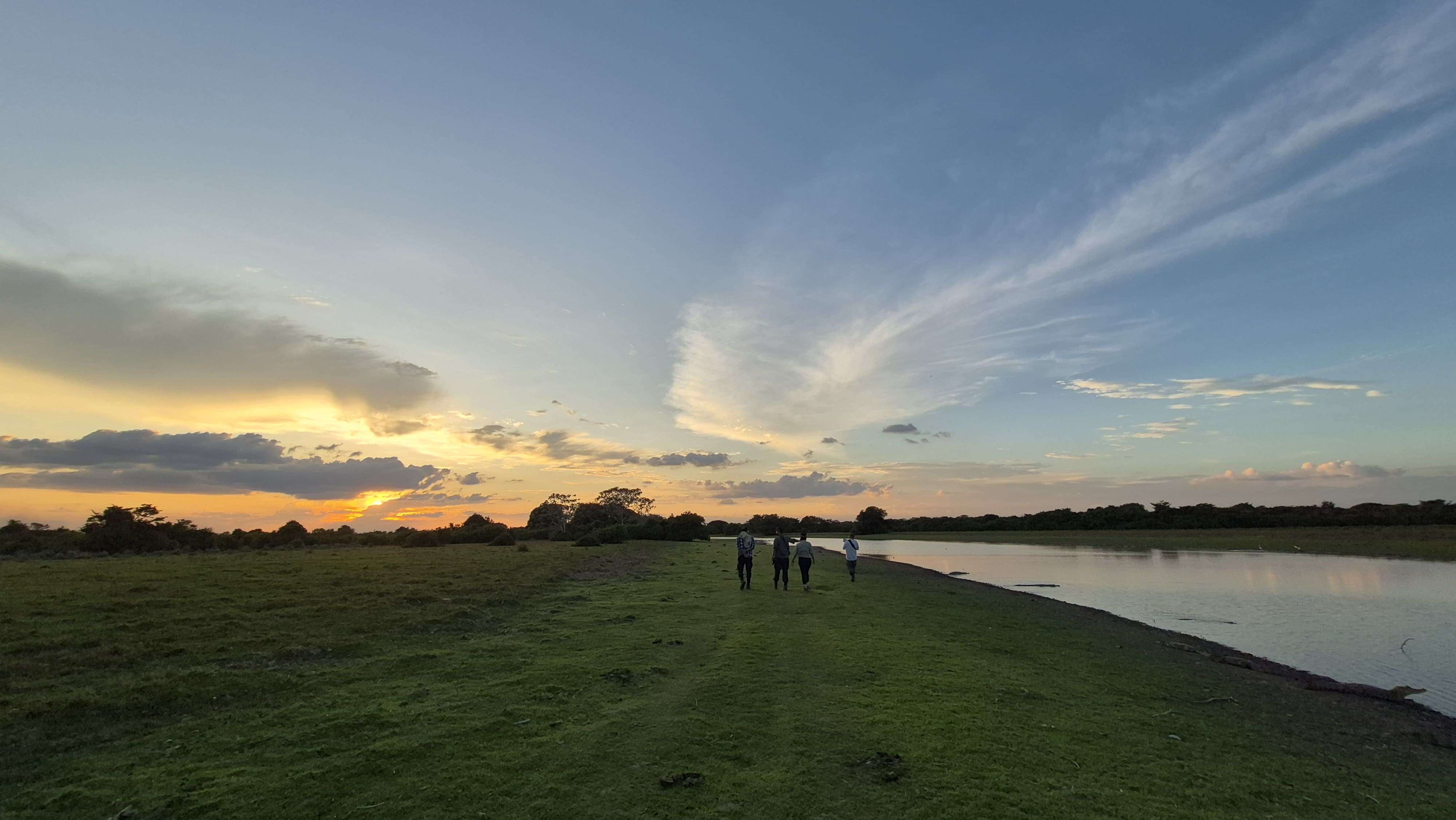
One of the key moments of the mission was the visit to the Colombian Orinoquía, one of the most important savannas in Latin America and a landscape where biodiversity, food production, and llanero culture coexist while confronting the challenges of climate change.
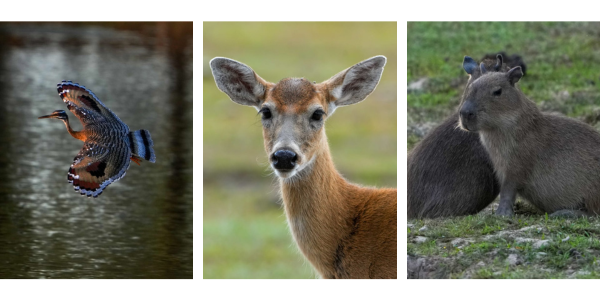
With a territorial extension similar to that of all Germany, this iconic landscape is the hydrological heart of Colombia, home to 1,298 species of birds and more than 5,000 plant species.
The richness of this territory shows that regeneration, far from being a promise for the future, is an active practice with much to teach.
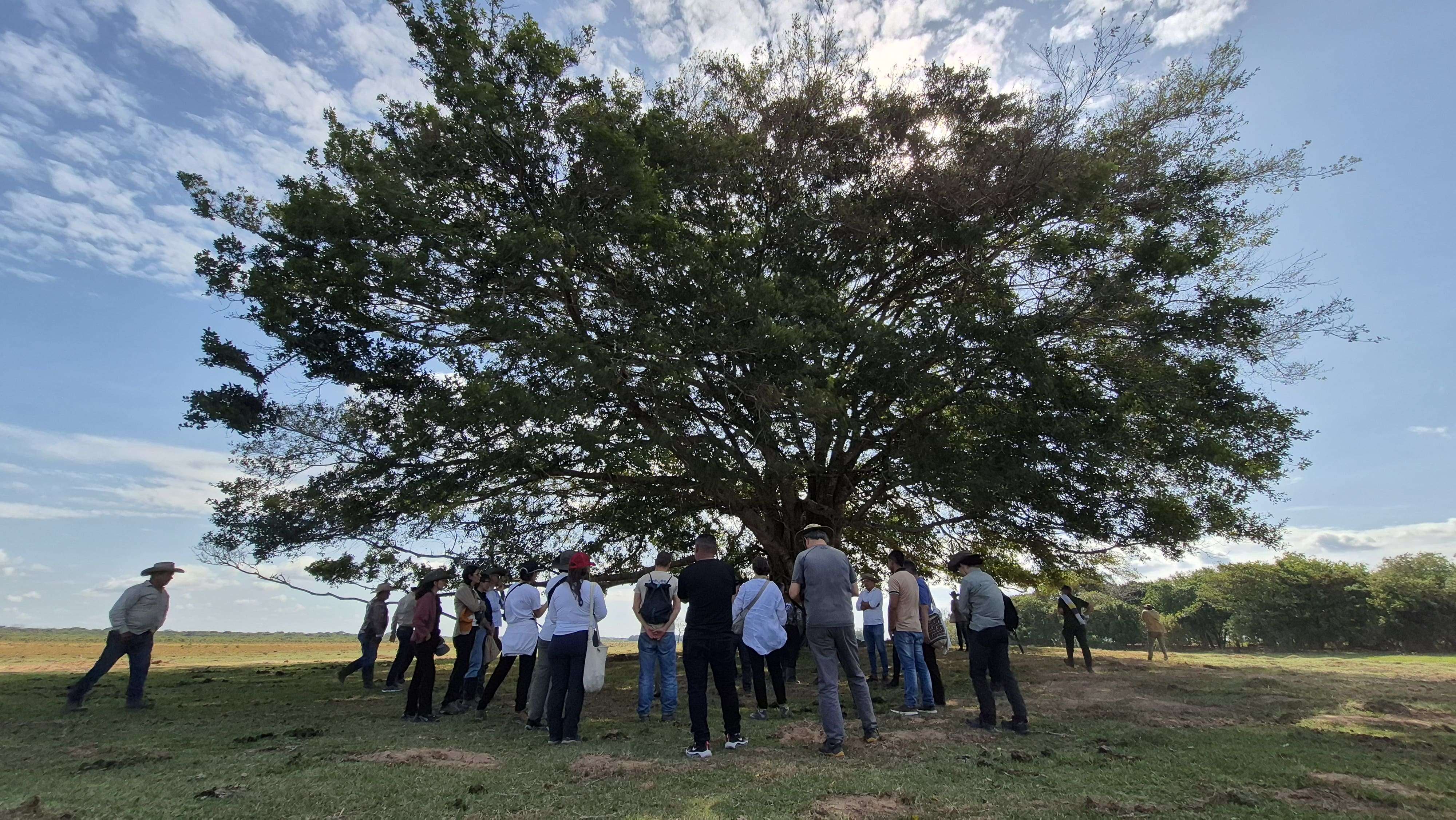
During the visit to the El Encanto de Guanapalo Nature Reserve, we observed how conservation-oriented ranching and the joint work of Private Nature Reserves have driven nature tourism. In Guanapalo, the region’s biodiversity coexists harmoniously with ranching production, birdwatching, and the preservation of llanero cultural heritage, respecting ecosystem cycles and strengthening landscape resilience.
In partnership with the Casanare Chamber of Commerce, the visit also made it possible to hear from local entrepreneurs representing strategic clusters focused on advancing sectors such as ranching, dairy, palm oil, rice, and nature tourism. Through collaboration between business leaders and producers, this initiative actively promotes the transition to more sustainable production models and demonstrates how regeneration can generate economic opportunities for the inhabitants of this landscape.
Systems that restore and produce
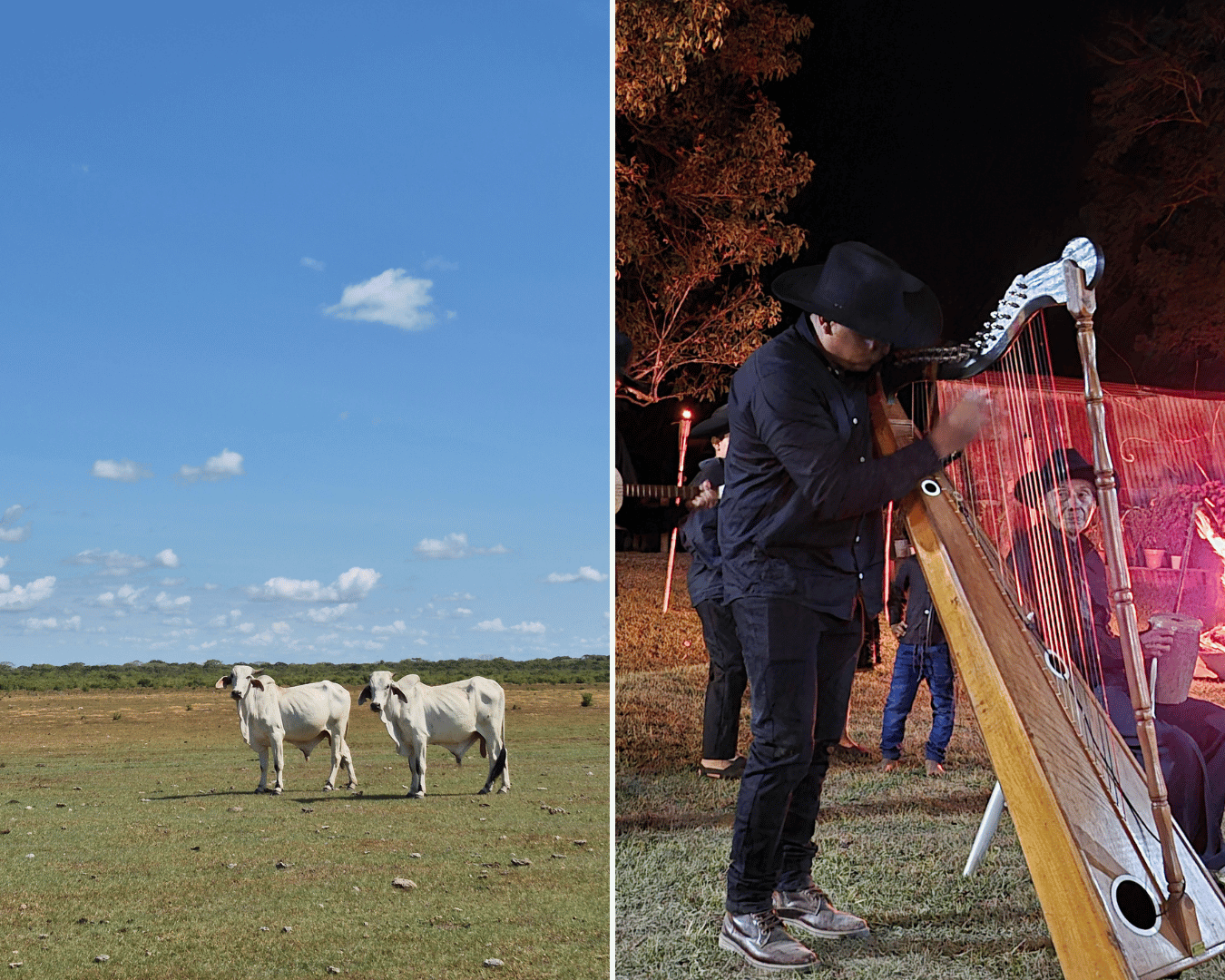
The mission also witnessed the implementation of silvopastoral systems in the piedmont region. There, various ranchers and reserves such as the Palmarito Nature Reserve have begun integrating agroecological practices such as planting trees and shrubs into their ranching operations as a strategy to improve productivity and profitability while contributing to biodiversity restoration in cultivated areas.
These actions directly support improvements in animal welfare and strengthen adaptation capacities in the face of climate challenges in the region, reaffirming that producing food and caring for ecosystems are not opposing pathways, but processes that can reinforce one another.
Finally, the visit to the Orinoquía would not be complete without cultural immersion. Music, dance, gastronomy, and llanero traditions showed that regeneration is also deeply connected to people, their knowledge, and their relationship with the land. Everything that happens in the territory is part of a greater purpose.
Conversations that enable change
In addition to the Orinoquía field visit, the mission also included institutional meetings in Bogotá and Yopal, where dialogues were held with key actors to advance regeneration in Colombia. Participants included representatives from the Ministries of Agriculture and Environment, the National Unit for Disaster Risk Management (UNGRD), industry associations such as Fedegan and Fedepalma, and financial institutions like Finagro and BIOFIN — impactful organizations with which Paisajes Futuros is already collaborating. Their support has enabled the development of strategic roadmaps, the creation of knowledge exchange spaces with producers, and the contribution of tangible evidence for the development of financial mechanisms that foster regeneration.
Regeneration is transforming the territory
The visit left a shared certainty: regeneration is best understood when one walks, listens, and experiences it directly in the territory. Paisajes Futuros, led by TNC Latin America’s R2A strategy in consortium with UFZ and Nestlé, with support from BMUKN and IKI, continues working so that agriculture and ranching become allies of ecosystem conservation, economic prosperity, and food security.
“Regions like this one, the Orinoquía, which hold great potential for food production and conservation, are where transforming how we produce food becomes most essential.”
— Mauricio Castro Schmitz, Director of Agriculture at TNC for Latin America
“What we do with the project is… an initial spark. We are testing an approach, working on acceptance of an approach, but it of course needs to be scaled up.”
— Ulf Jaeckel, Head of the Division of International Climate Change Adaptation at the BMUKN in Germany
Transforming food systems goes beyond a technical goal: it is a collective decision built step by step, from the landscape and with the people who inhabit it.